
Many older electronic designs use through-hole components, which are usually manually placed onto circuit boards before they can be soldered. While some components are best kept as through-hole, such as connectors, most can be replaced with surface mount equivalents. Let’s look at why this might be a good idea.
When we work with through-hole components, the following happens for larger jobs:
- Manually place the through-hole components
- Use our wave solderer to solder all the through-hole components on the board
- Clean the boards
The wave solderer itself has an associated set-up and clean-up cost as well. (Note: some manufacturers use “selective soldering” for this task, which has a few advantages over wave soldering.) For small jobs it is usually cheaper and easier to manually solder the through-hole components. However, labour is not very cheap compared to machines.
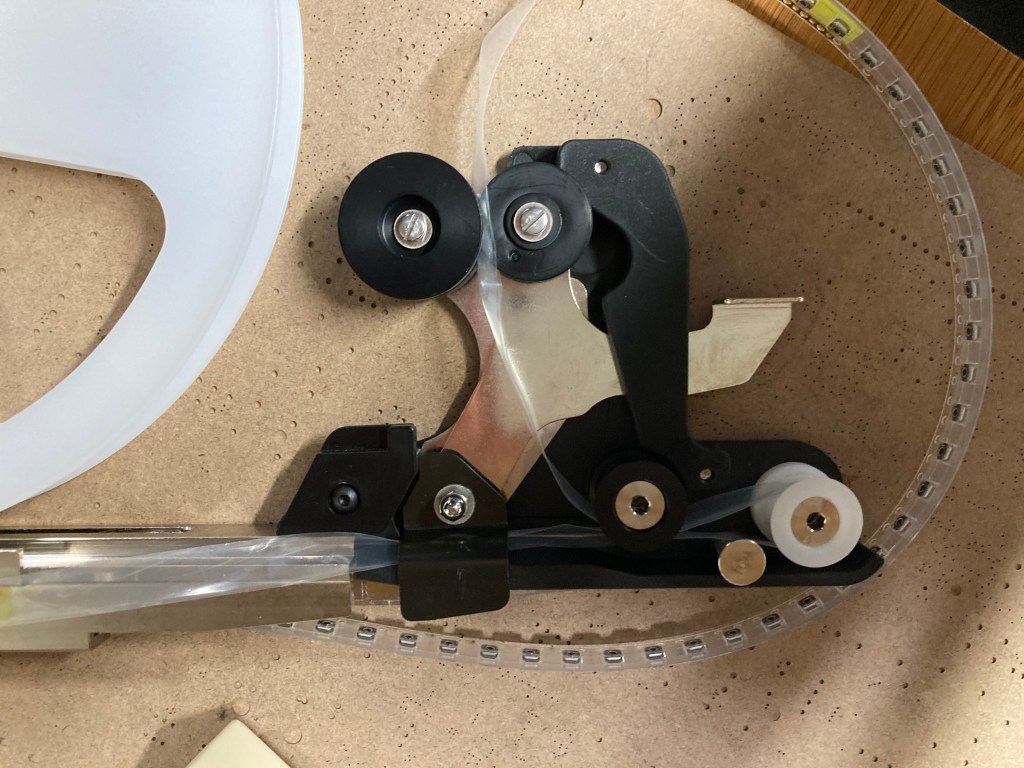
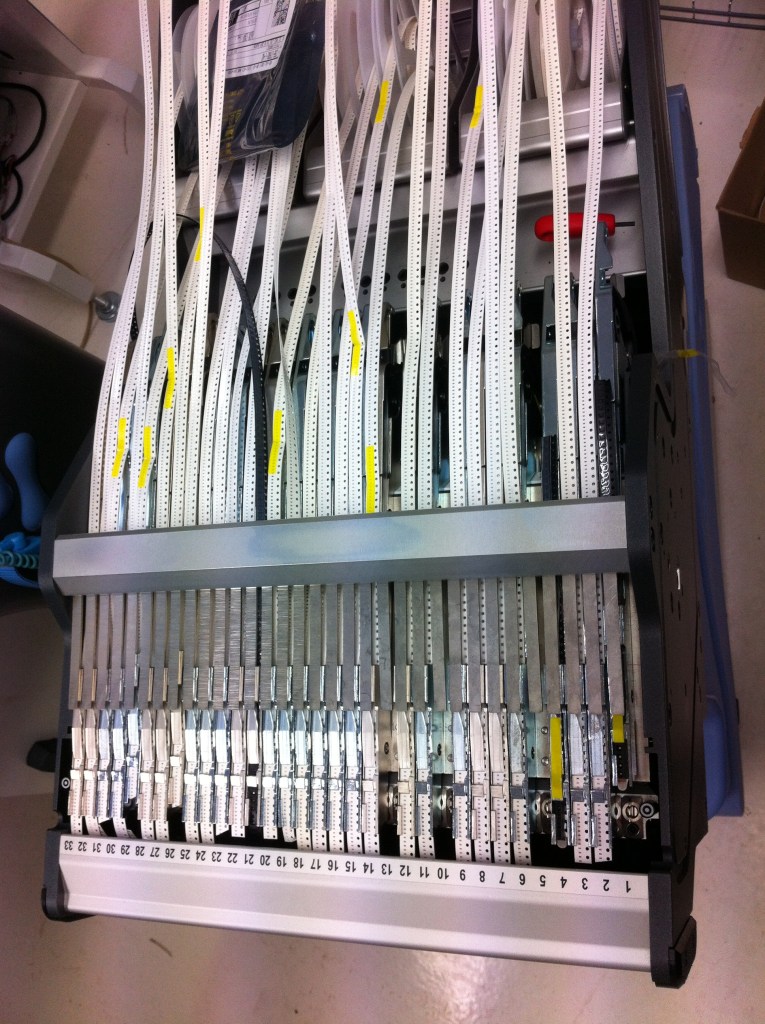
On the other hand, for surface-mount components provided on a reel, we load the reel into a feeder element, mount the element in the feeder trolley and program the feeder. Then the pick and place machine does the rest. Once again, there is a set-up cost associated with each type of component, but if you are wanting hundreds of boards or more, surface mount components are the way to go.

 Agile Electronics