All Hands on Deck!

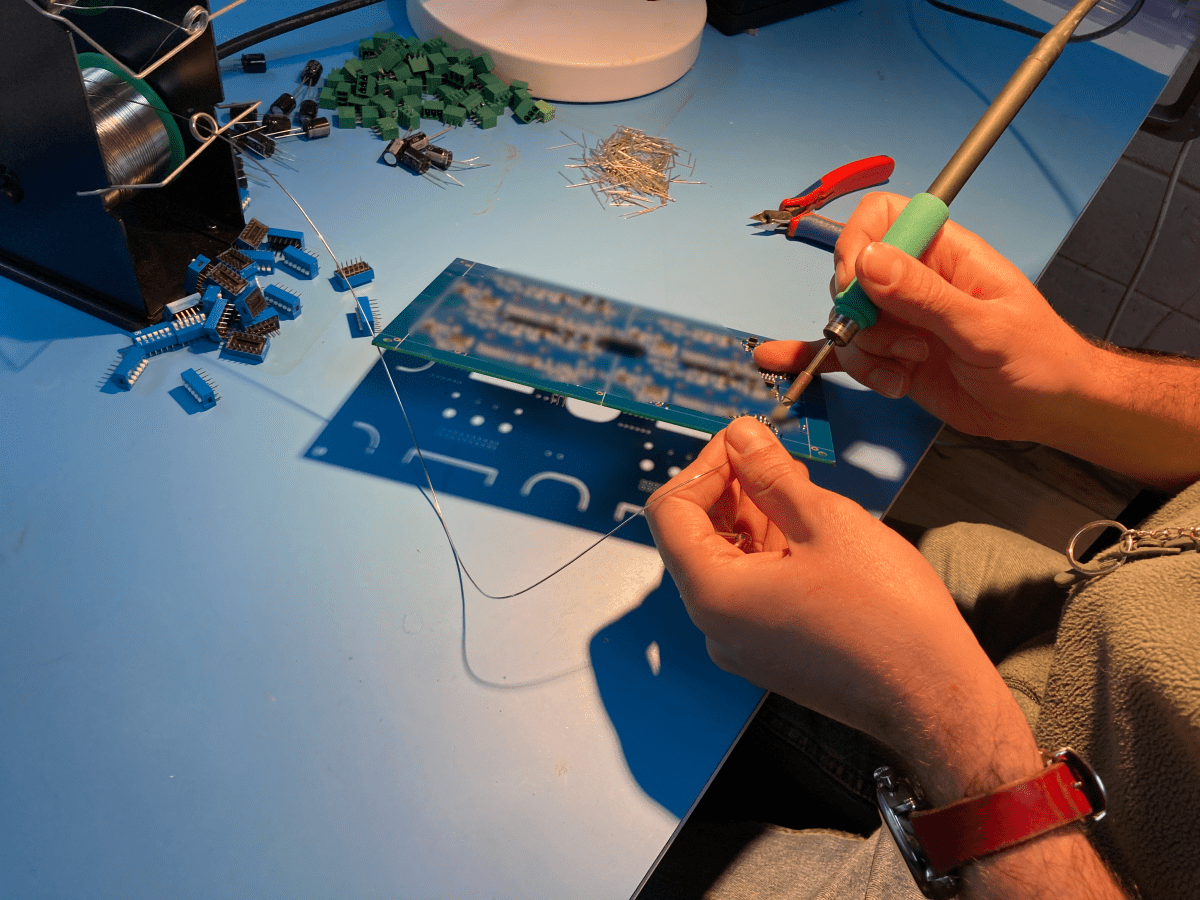
This year we’ve reached another milestone for Agile Electronics. Previously we’ve only had a maximum of two people working on electronics assembly at any one time, and that second person has been me (Sandra) since December 2020. This year, we’ve welcomed Hank to be a new casual employee, whose main role is to take on the manual through-hole soldering of boards for our customers. So this week, we’ve had Hank busy soldering and testing boards for one customer, while I was looking after the machines doing surface mount assembly for another customer, and while John inspected boards, supervised everything and helped out where needed.

With our new employee, we will be able to take on more manual soldering, so if this is something your product needs, contact us for a quote.

Unwelcome Trend in Partial Reels

We’ve been pleased to see PCB surface mount assembly customers moving away from supplying cut tape, partly in thanks to our popular article on why cut tape is a bad idea. However, we’ve noticed a trend in recent months, where partial reels suffer a similar problem to cut tape.

A few recent supplies of reeled parts have come on multiple reels, with some reels containing only a single component! There is no point in trying to load a reel with fewer than five components on it onto a pick and place machine (unless the component is large and expensive). Each time a reel is loaded into a feeder and put into position, there is a chance of losing a component or two, despite the care taken by the operator. This is why some assemblers insist on receiving many more parts than required for the boards. (I’ve seen 100 quoted on one assembler’s website.)

While having multiple partial reels is less annoying and costly for assembly than multiple pieces of cut tape, and will lose fewer parts, it will still lead to more parts potentially being lost or unable to be used. It will also mean multiple feeder loadings per component, which will add a few minutes per reel change to the job.

I don’t know what it costs the component wholesaler to put a single component on a reel, given that customers pay a standard fee for reeling, regardless of how many reels are delivered, but I expect that the economics aren’t really there for cheap components. While I sympathise with the goal of avoiding the waste of components, there is waste in the form of extra reels and leader tape, plus time either of workers and/or machines to create the extra reels, not to mention the additional cost downstream during assembly for customers, with components not being used. I hope this trend goes away soon. Meanwhile, I can only advise customers to choose between having fewer boards fully assembled, buying more parts, or using a supplier who doesn’t split ordered components across multiple partial reels.

Feedback

Nice to have a grateful customer

John
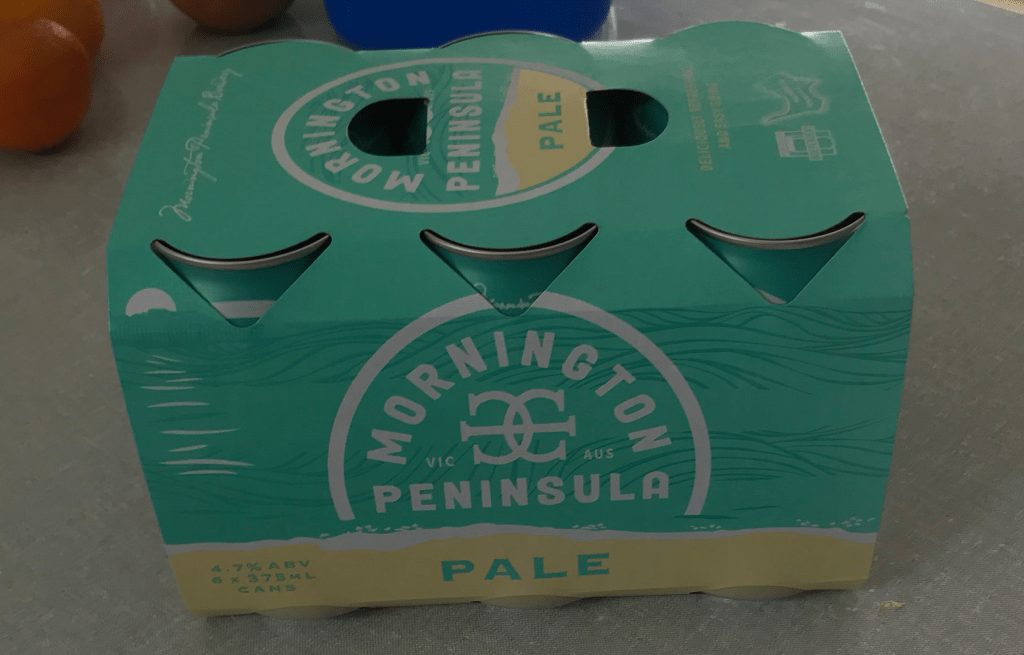
A six-pack of beer

Agile co-founder and chief engineer John provides heaps of feedback to customers on how to improve their designs before manufacture. Sometimes this (pictured) happens!

More Gear

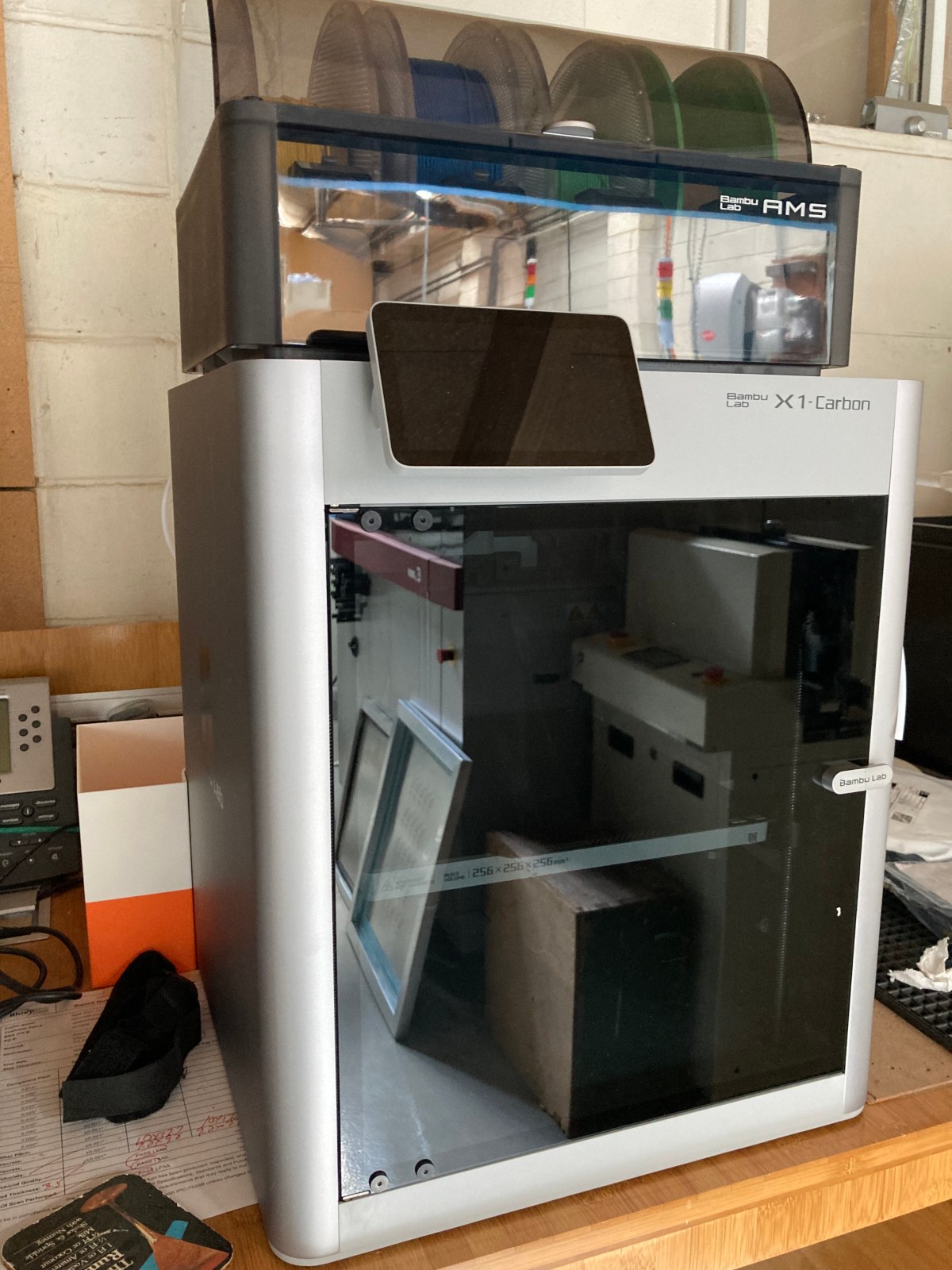
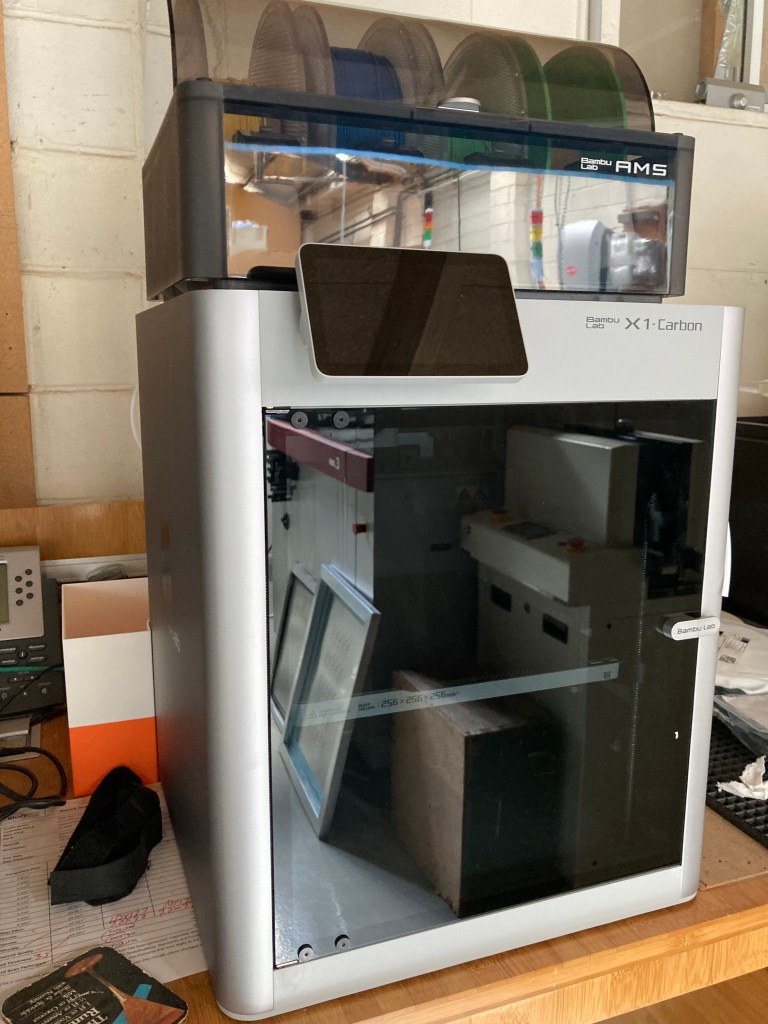
Since the last update, we have acquired a dehumidifier, which is handy for humidity-sensitive materials and parts. We also have a new 3D printer that provides much better quality prints than our old one, which had a tendency to curve or distort in places. While it is mainly used for creating customised matrix trays and fulfilling a few other in-house requirements, we also provide a 3D printing-based prototyping service for our customers. Need a quality 3D print? We might be able to help.

Bambu Lab X1-Carbon 3D printer at Agile Electronics, Camberwell, Victoria, Australia.

One for the Silly Season

Greetings all. Here’s this year’s Agile Electronics video for the silly season, The Agile Electronics Alphabet Song. Enjoy!

See you in the new year!

Solar Panels versus the Reflow Oven

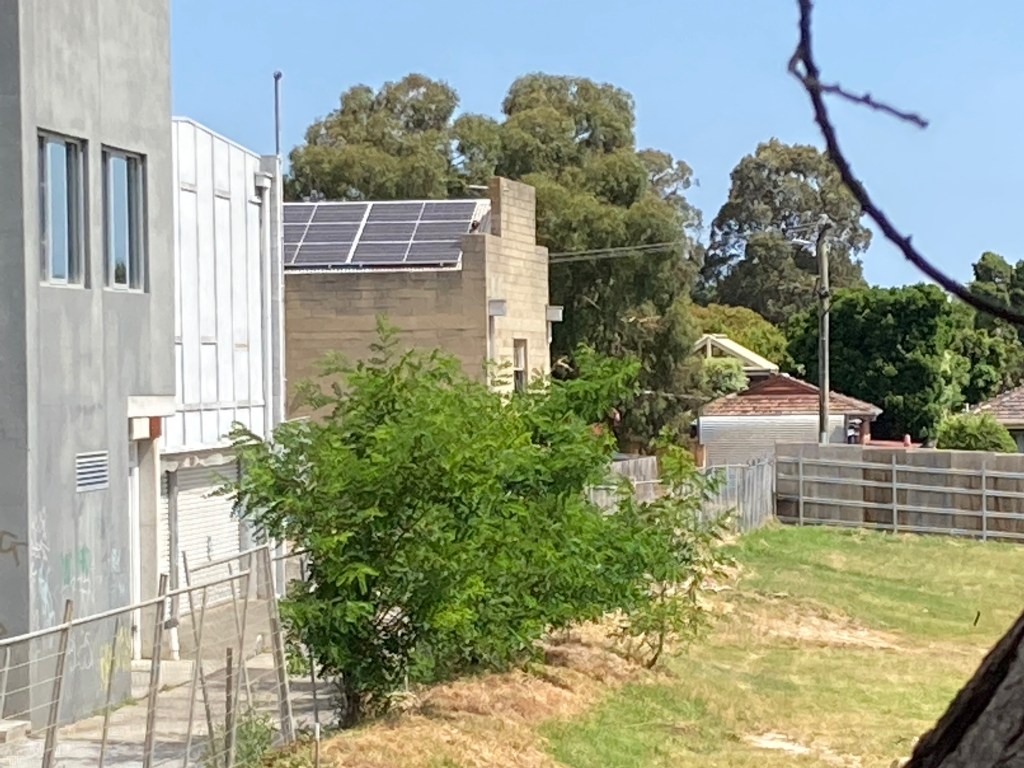
Agile Electronics factory from the rear, showing the solar panels on the roof.

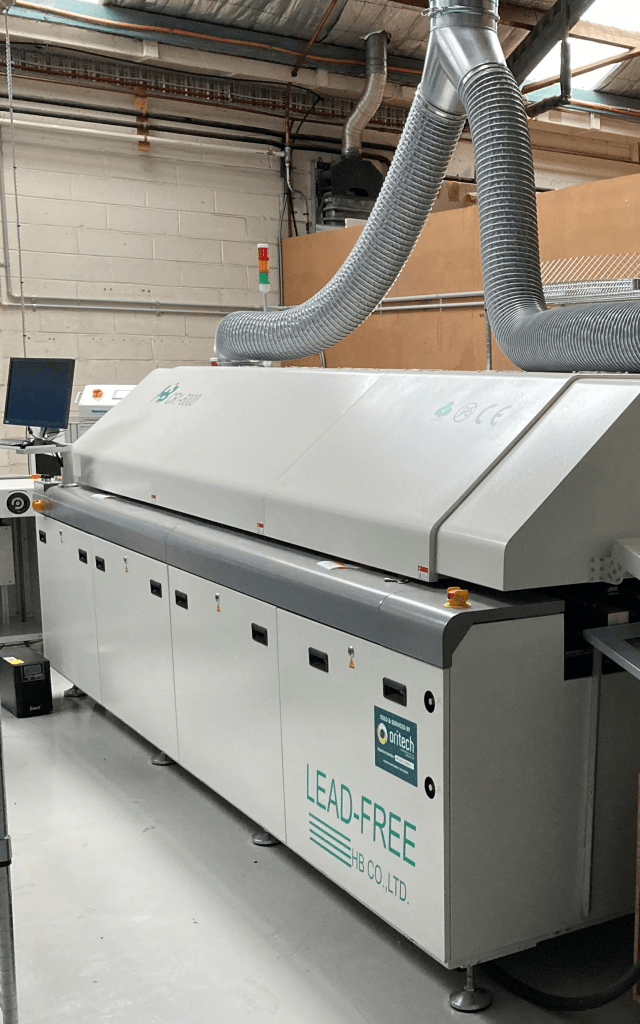
In the last few months we had solar panels installed on the new factory and also acquired a conveyor reflow oven, which helps to automate our process and reduce board faults that may occur from manual handling.

The solar panel people thought our requested quantity of solar panels (10kW) was excessive compared to our electricity usage. However, they hadn’t seen the conveyor reflow oven in action. While our non-manufacturing usage is typically well under 4kW except for when the kettle is used, manufacturing appears to peak at 18kW on each phase! Fortunately we use 100% green energy.

Conveyor Reflow Oven

Making sure your circuit board is manufacturable by PCB assemblers

We have seen a variety of board designs presented to us for assembly and have experienced quite a few issues with some of them. Occasionally it makes the board nearly impossible to assemble at all. Here are the absolute minimum requirements for it to be manufactured by machine at all.

  1. The board must fit in the machine. Check the size limitations. If the board is too small, the problem is solved by panelising. If it is too large, you need to either find a different manufacturer that can handle it or try to make your design smaller. We can handle boards between 50mm X 50mm and 250mm x 500mm.
  2. There must be sufficient clearance for the board to be transported through the machine. Any components that are too close to the edge cannot be populated by machine. Either add tooling strips or just keep a good margin along the edge. We recommend 10mm tooling strips to allow for panel fiducials to be located at least 5mm from the edge.
  3. Files are provided to us with the correct data. I will go into more detail elsewhere on this, but we need the centroid data (including for the fiducials) so that the machine knows where to place components and which components to place there. We need the bill of materials that lists components, including their package types so that the machine knows what the component and its pads look like. The gerber files provide other essential information, such as the board’s manufacturability and the orientation of parts.

For more information, contact us for a free copy of our tips on design for manufacture.

Twelve Days of DFM Feedback from Agile Electronics

Agile now has a Youtube channel! We probably will still mostly use the blog for information. But for now, find our twelve days of feedback for the season. Entertaining and useful at the same time. Enjoy!

Robotic carollers

Through-hole versus Surface Mount

Many older electronic designs use through-hole components, which are usually manually placed onto circuit boards before they can be soldered. While some components are best kept as through-hole, such as connectors, most can be replaced with surface mount equivalents. Let’s look at why this might be a good idea.

When we work with through-hole components, the following happens for larger jobs:

  1. Manually place the through-hole components
  2. Use our wave solderer to solder all the through-hole components on the board
  3. Clean the boards

The wave solderer itself has an associated set-up and clean-up cost as well. (Note: some manufacturers use “selective soldering” for this task, which has a few advantages over wave soldering.) For small jobs it is usually cheaper and easier to manually solder the through-hole components. However, labour is not very cheap compared to machines.

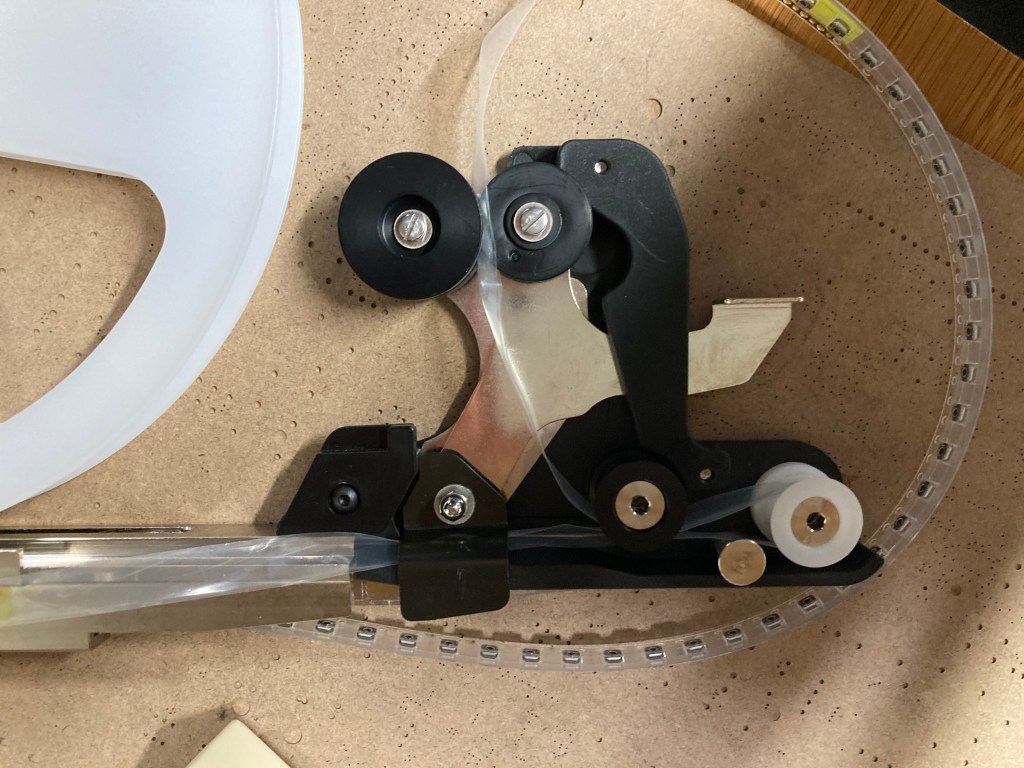
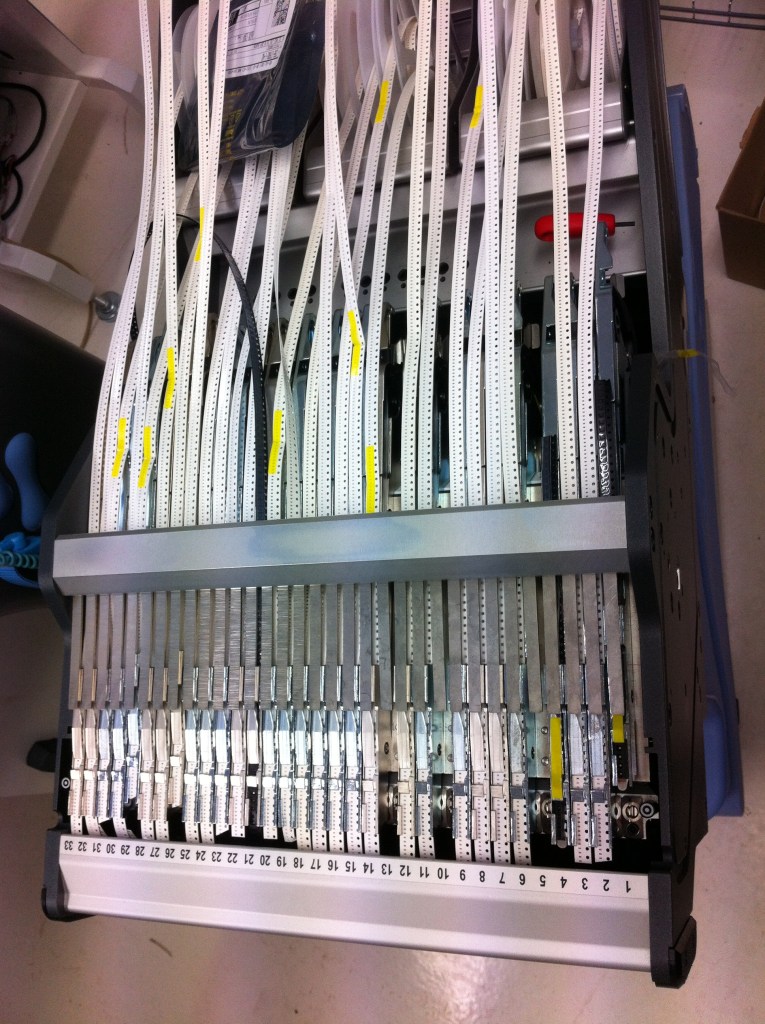
On the other hand, for surface-mount components provided on a reel, we load the reel into a feeder element, mount the element in the feeder trolley and program the feeder. Then the pick and place machine does the rest. Once again, there is a set-up cost associated with each type of component, but if you are wanting hundreds of boards or more, surface mount components are the way to go.

Components on a reel, loaded onto a feeder element
Component feeders in a feeder trolley

Now with fewer emissions!

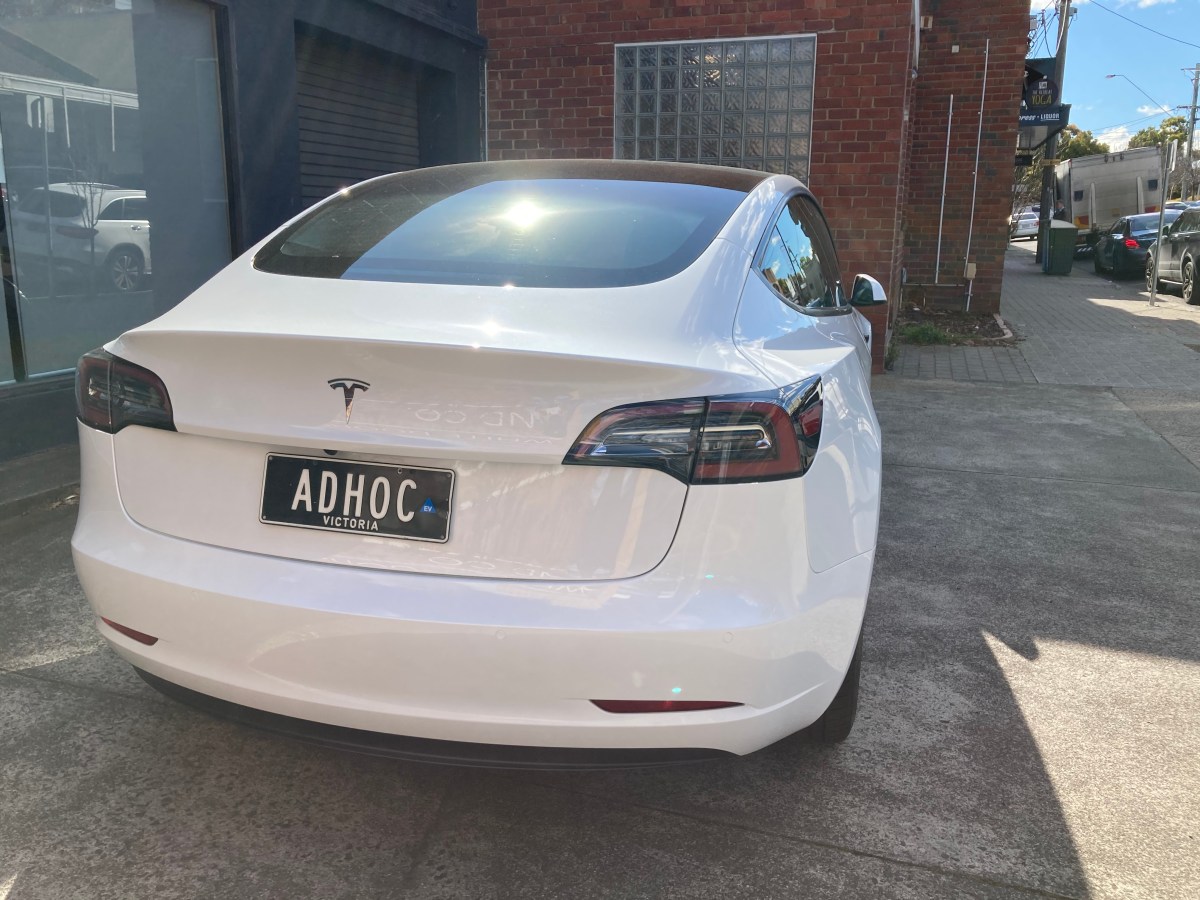
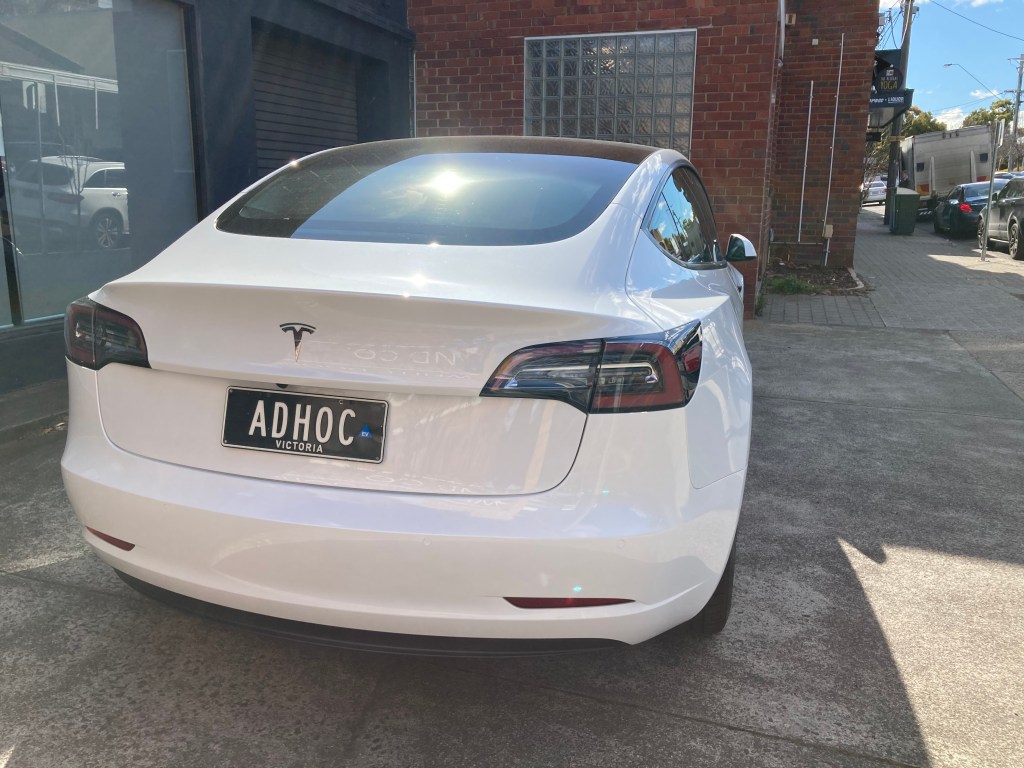
Agile Electronics and its parent company Ad Hoc Software have long tried to make environmentally appropriate choices. We were early adopters of solar panels at our original premises, and have been paying for green electricity for years. This month, however, we have replaced the diesel AdHoc-mobile with a brand new Tesla Model 3 electric car.

The new Agile Electronics company car, a Tesla Model 3